
COP31 Sustainable Pavilion Solutions with Maxima Systems | VERA
Sustainable Pavilion Solutions for COP31: Modular Systems and Reusable Structures
COP31 Sustainable Pavilion Solutions with Maxima Systems | VERA
COP31 is not only about representation. It is also about responsibility.
As a climate-focused event, it brings a clear expectation for pavilion construction: structures should not only deliver visual impact, but also reflect a more responsible use of materials and resources. In this context, COP31 sustainable pavilion solutions are becoming a central part of how pavilion projects are planned and delivered.
In many traditional exhibition projects, pavilions are produced specifically for a single event. After a short period of use, a significant portion of these structures is dismantled and not reused. This leads to repeated material consumption and additional production cycles for each new event.
For global events focused on sustainability, this approach is becoming increasingly difficult to align with overall objectives.
From One-Time Builds to Reusable Systems
A more efficient and responsible approach is to move away from one-time builds and adopt reusable structural systems.
Instead of rebuilding for every event, pavilion structures can be developed as modular systems that allow reconfiguration, adaptation and repeated use. This reduces material waste and supports a more controlled and efficient project lifecycle.
This is where COP31 sustainable pavilion solutions provide a more efficient and responsible alternative to traditional build approaches.
What Is a Maxima System?
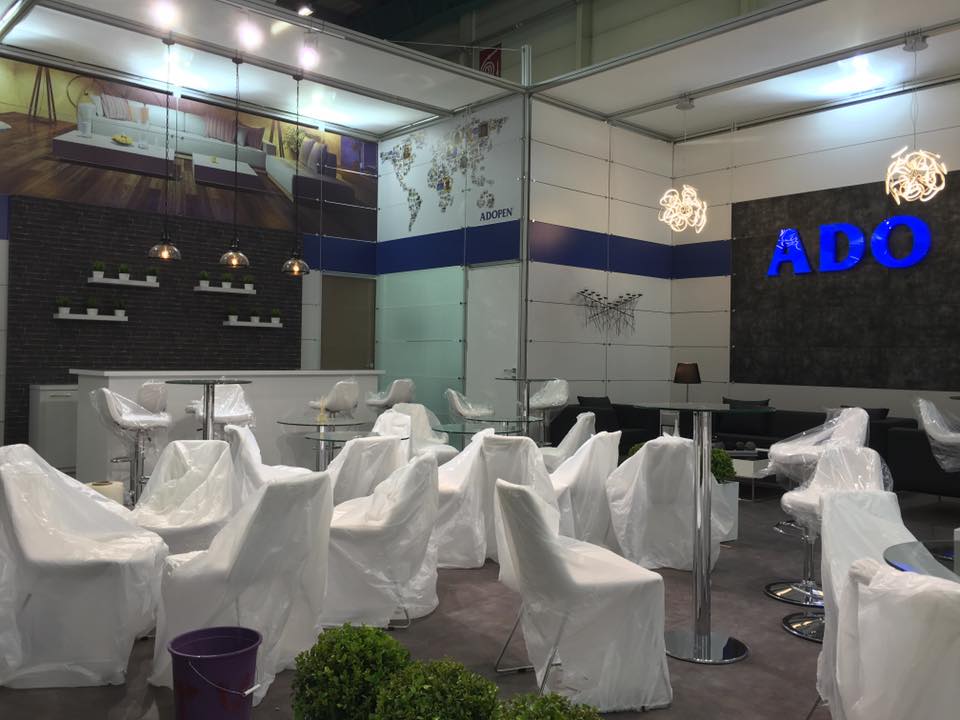
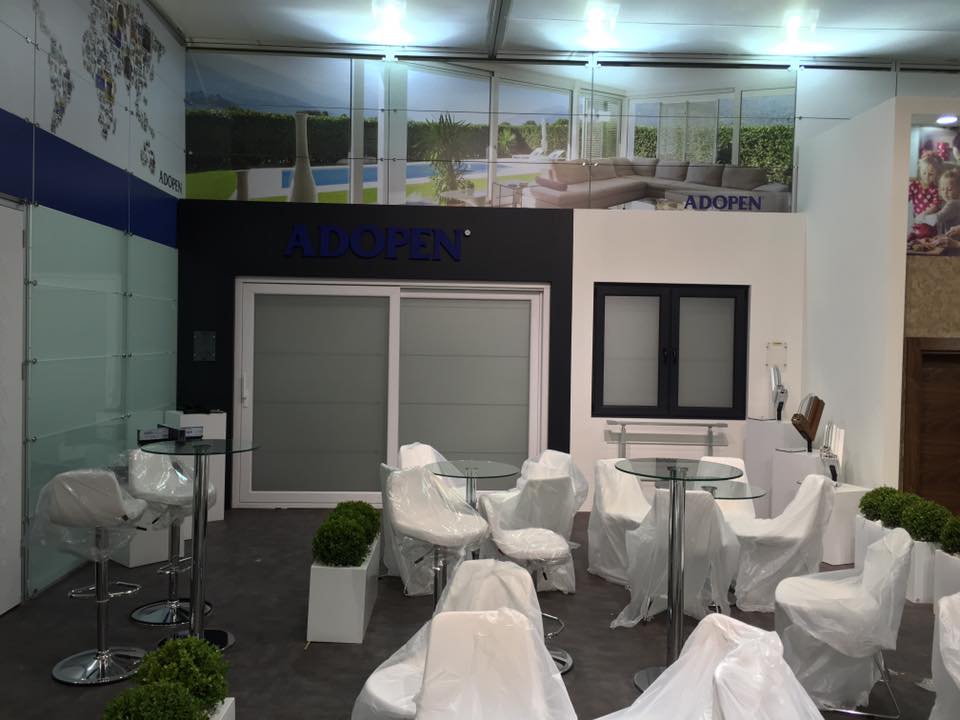
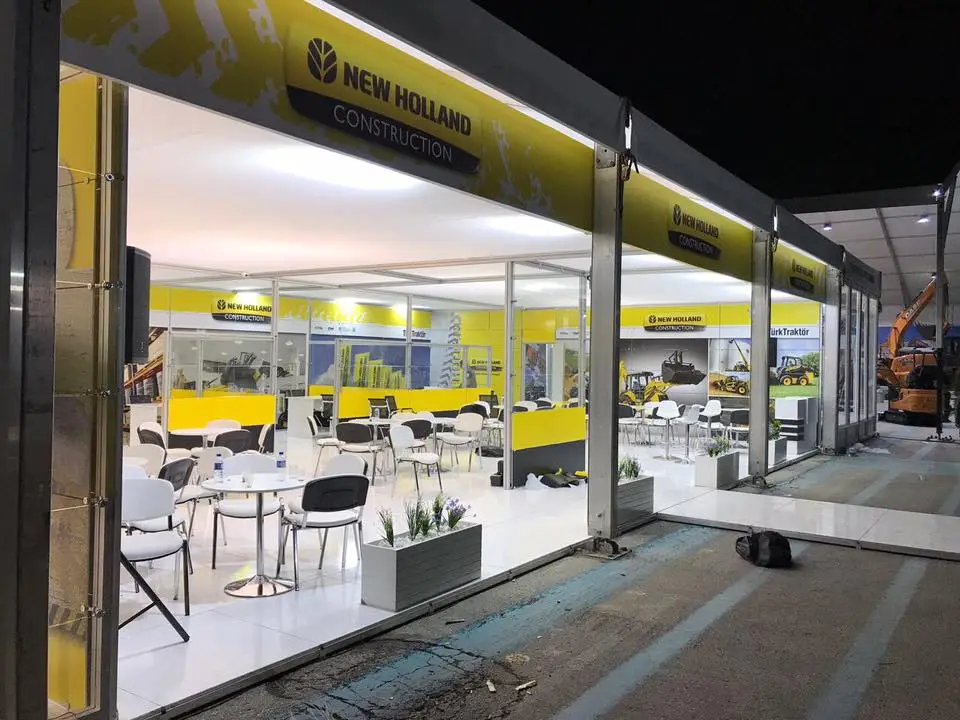
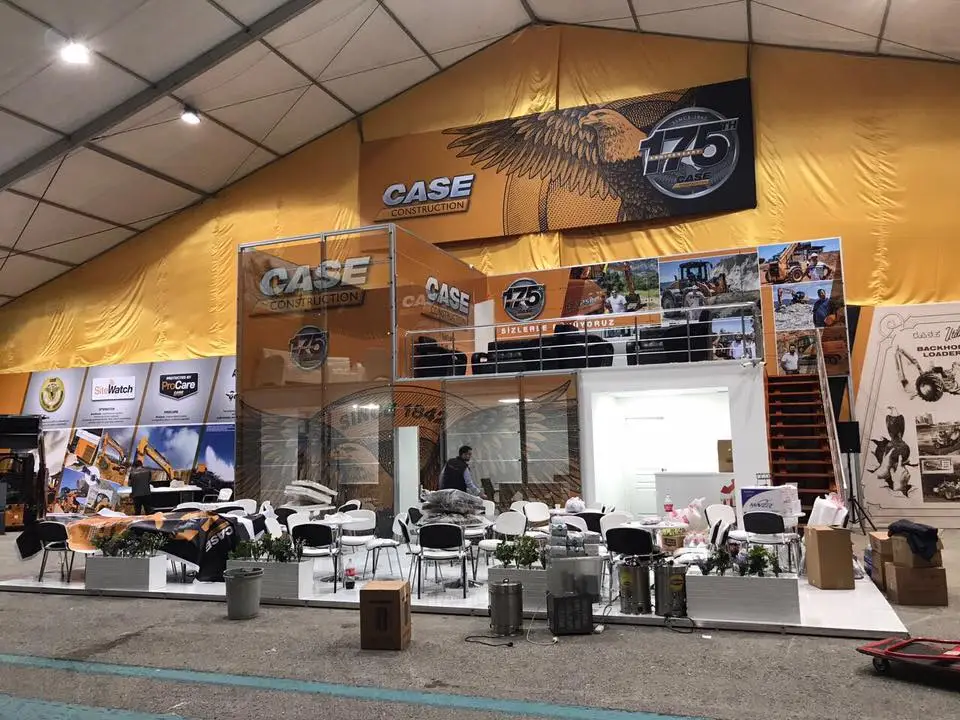
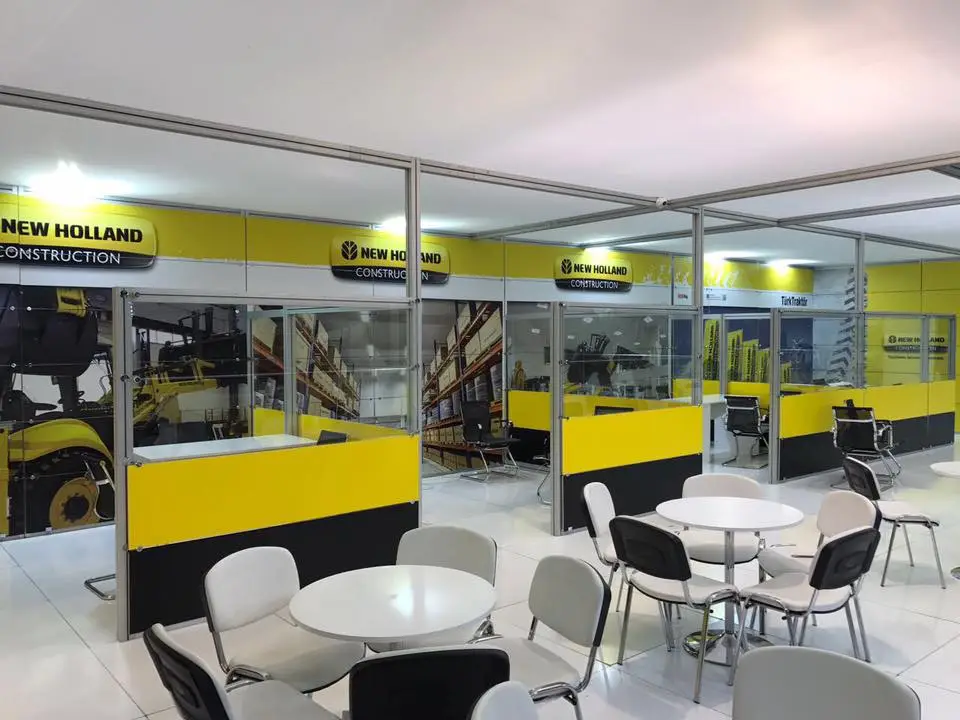
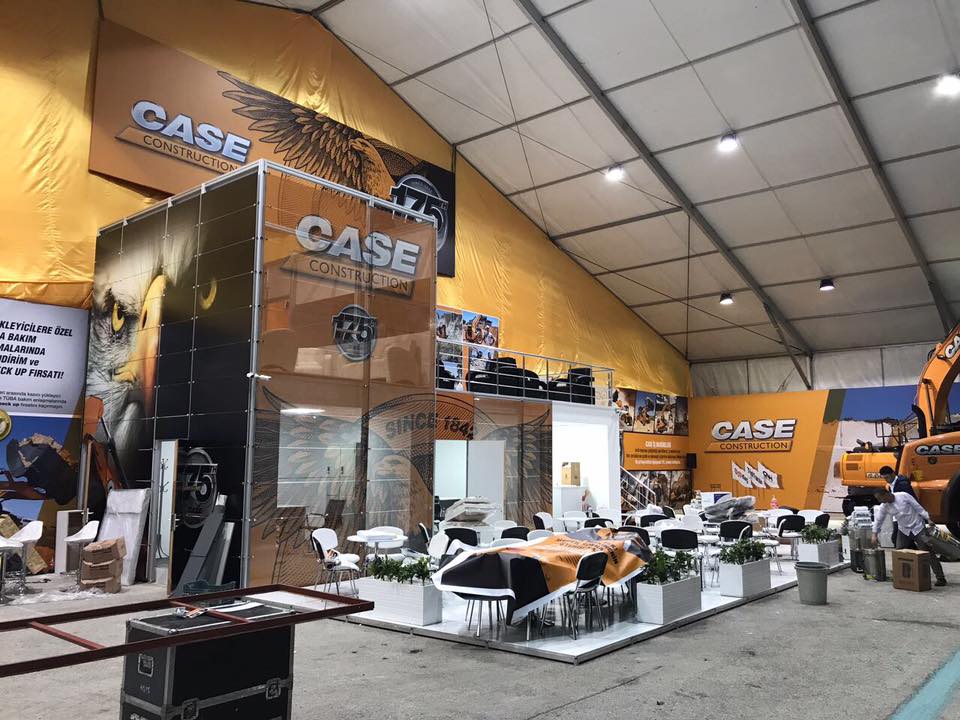
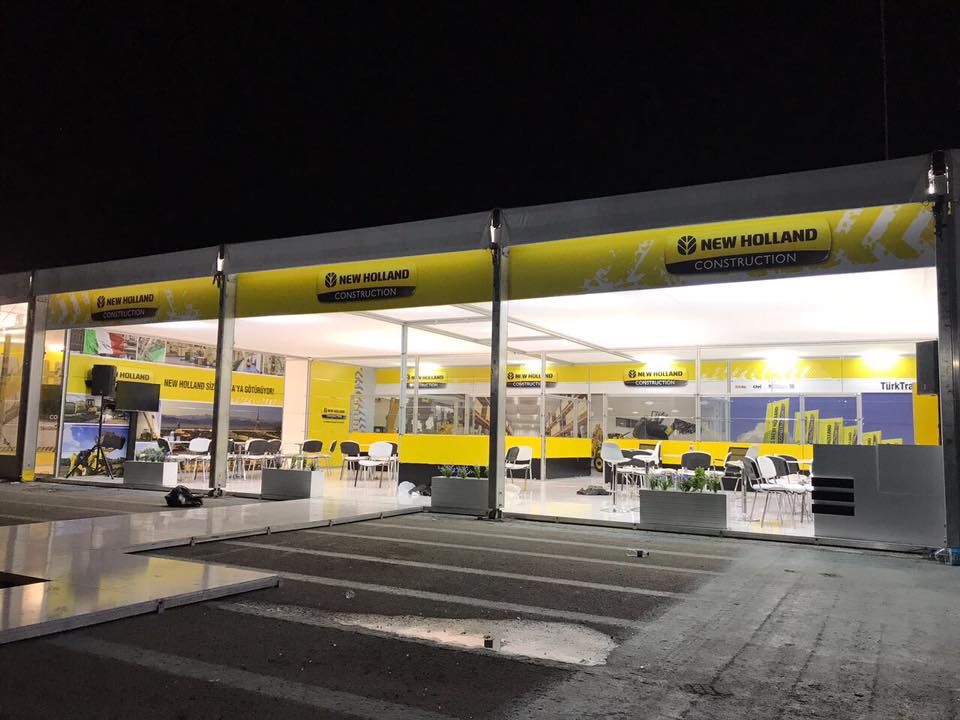
A Maxima system is a modular aluminum-based construction system used in exhibition stands and pavilion structures.
It is based on standardized profiles and connection elements that allow the structure to be assembled, dismantled and reconfigured without requiring complete re-production.
This creates a clear structural logic:
- the system remains
- the layout adapts
- the visual identity changes
Rather than producing a new pavilion each time, the same system can be reused across multiple events with updated configurations and branding.
A Measurable Difference in Waste and Efficiency
The difference between traditional builds and modular systems is not only conceptual. It can be observed in the way projects are delivered over time.
A pavilion produced for a single use often requires new materials, new production and new logistics for each event cycle.
In contrast, reusable pavilion systems allow structural components to remain in use, while only selected elements such as graphics or surface applications are updated. This reduces material waste and improves overall efficiency across multiple projects.
This approach creates a more consistent and responsible construction method, particularly for projects aligned with sustainability objectives.
Why Maxima Systems Are Suitable for COP31
Projects connected to COP31 operate under strict timelines, controlled installation windows and complex logistical conditions.
Maxima systems support these requirements through pre-engineered components:
- structures are prepared for repeat assembly
- production processes are more controlled
- transport planning becomes more predictable
- installation follows a defined sequence
For COP31 sustainable pavilion solutions, this level of predictability and control becomes a key advantage.
This reduces uncertainty during installation and helps ensure that projects move from delivery to assembly in a more controlled manner.
Reducing Waste Without Limiting Design
Modular systems are sometimes assumed to limit design flexibility. In practice, they provide a stable structural base that supports a wide range of finishes and visual applications.
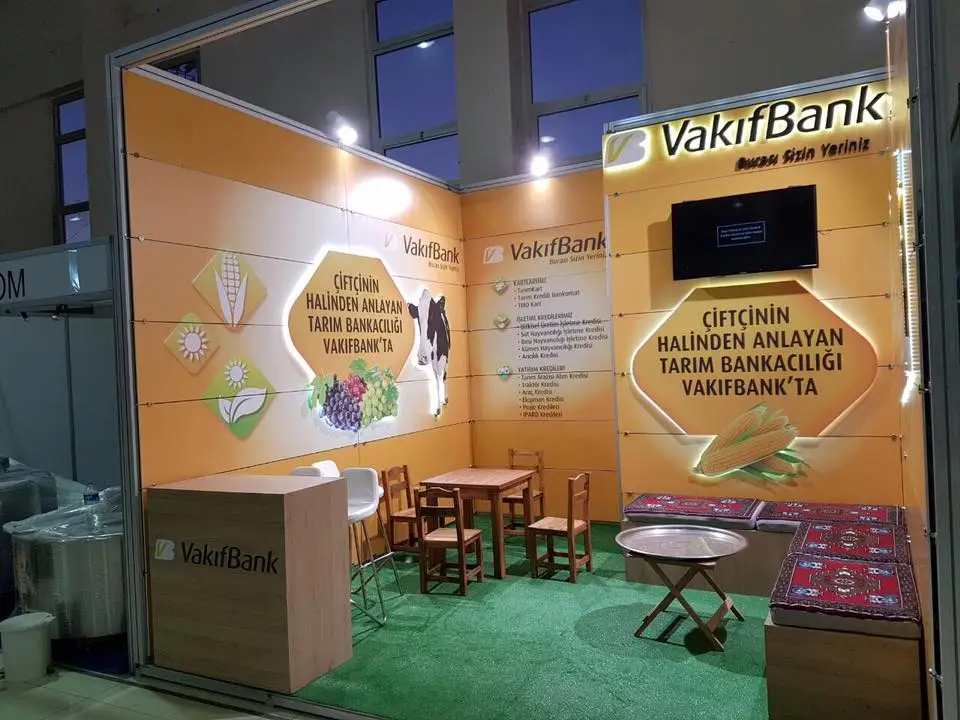
Maxima systems can be combined with:
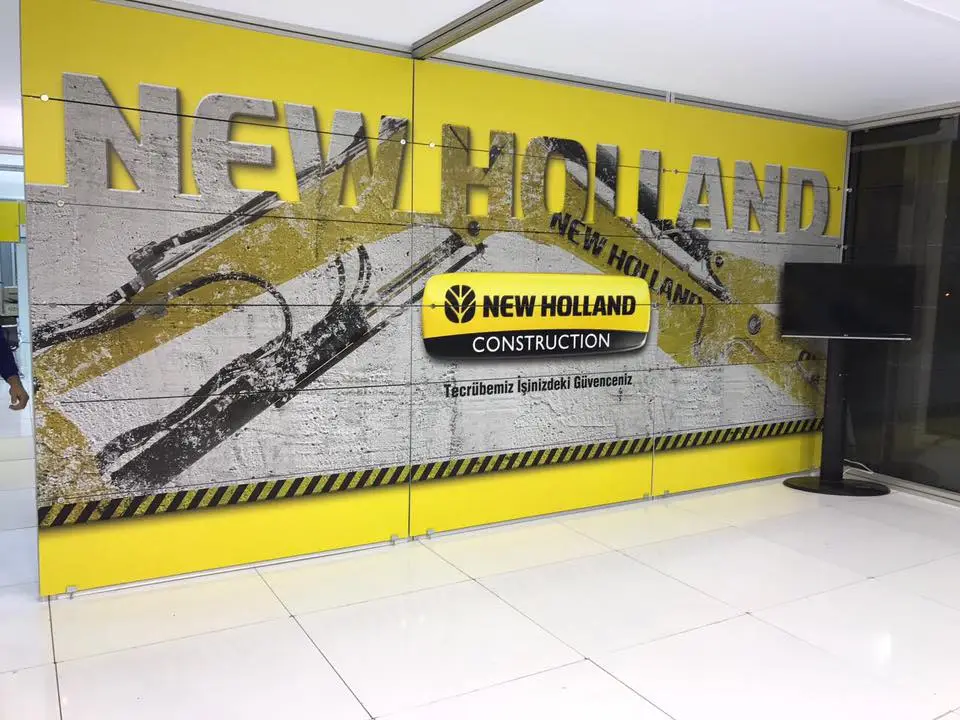
- printed graphic panels
- lighting integration
- digital display elements
- custom surface materials
This allows pavilions to maintain a strong visual identity while reducing unnecessary material use.
In this context, sustainability becomes part of the design process rather than a limitation.
A Practical Example of Reuse
Within modular pavilion systems, the same structural framework can be used across multiple events with minimal adjustments.
A pavilion built with a Maxima system can be installed, dismantled and later reconfigured for a different layout or location. Structural elements remain in use, while graphic surfaces and certain components are updated according to the new project requirements.
This approach reduces the need for full re-production and allows the system to adapt to different spatial and visual needs over time.
For international projects, this creates a more efficient model where structures are treated as reusable assets rather than temporary builds.
A Practical Approach, Not a Concept
Sustainability in pavilion construction should be supported by methods that can be applied consistently.
Reusable structures, modular planning and coordinated logistics create a more stable and efficient project model. They reduce waste while improving consistency across different events.
VERA applies Maxima-based modular systems as a practical method to balance sustainability, efficiency and design quality in international pavilion projects.
Conclusion
Expectations around pavilion construction are evolving. Visual impact remains important, but it is no longer the only measure of success.
How a structure is built, used and reused has become equally relevant.
Moving from one-time builds towards modular systems creates a more responsible and efficient approach. It reduces waste, improves installation control and supports long-term use.
For COP31 sustainable pavilion solutions, modular systems create a clear path toward more efficient and responsible pavilion construction.
Maxima systems provide a structured solution for projects that require both performance and sustainability.
VERA applies this approach to ensure that pavilion structures are not only built for a single event, but designed to be reused, adapted and delivered consistently across multiple international platforms.